How Industrial Equipment Reconditioning Can Extend the Life of Hydraulic Presses
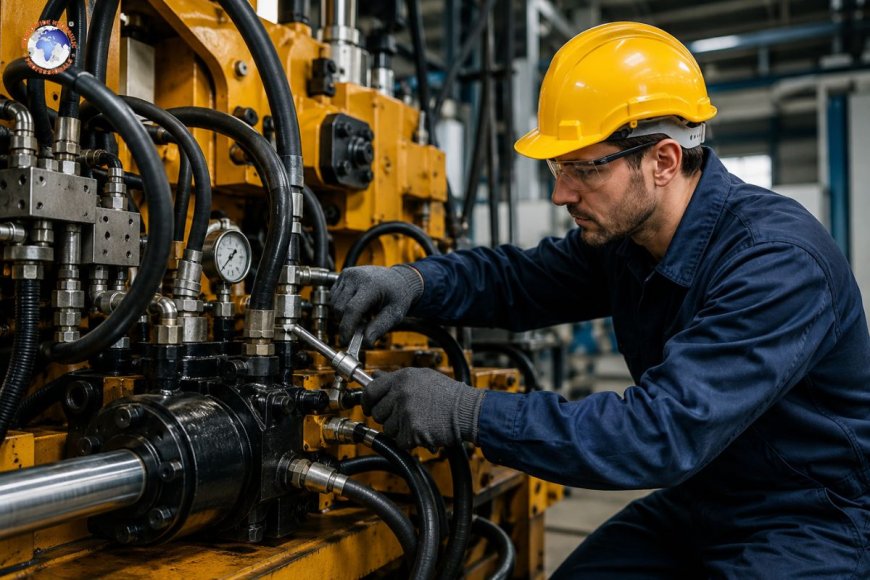
Hydraulic presses are built for demanding work, but even well-maintained machines wear over time. Repeated pressure, heat, vibration and exposure to contaminants gradually affect cylinders, seals, moving parts and other components. When performance starts to decline, replacement is not the only option. Industrial equipment reconditioning can help restore a press to reliable service and extend its useful life, provided the machine is suitable for repair.
Reconditioning is more than fixing a visible leak or replacing a worn seal. It involves assessing the equipment, identifying the causes of wear, repairing or restoring affected components, and checking that the press operates as intended. Understanding what the process can and cannot do helps maintenance teams make better decisions about older equipment.
Why hydraulic presses wear over time
A hydraulic press converts fluid pressure into mechanical force. Its ability to perform consistently depends on several parts working together, including the pump, valves, hoses, cylinder, seals, frame and controls. Wear in one area can affect the entire system.
Some deterioration is expected with normal use. Seals can harden or lose flexibility, surfaces can become scored, and components can develop corrosion. Operating conditions also matter. Excessive loads, frequent cycling, poor fluid condition, misalignment and contamination can accelerate wear. In some cases, a press may be used for work that places greater demands on it than the original design anticipated.
Because problems can develop gradually, operators may adapt to declining performance without realizing how much has changed. A cycle may take longer than it used to, the ram may drift, or the machine may require repeated adjustments. These symptoms can point to wear that warrants a closer inspection.
Common signs a press may need attention
A change in the press’s usual behavior is often the first indication that something is wrong. Maintenance teams may notice fluid leaking around the cylinder, inconsistent pressure, unusual noise or vibration, slower cycle times, or difficulty maintaining the ram’s position. Uneven movement can also suggest a problem with the cylinder, guides or related components.
These symptoms do not always mean the press needs a major overhaul. A leak, for example, may be caused by a seal that can be replaced. But a new seal will not solve the underlying issue if a rod or bore is damaged, or if contamination and alignment problems remain. Likewise, sluggish operation could involve fluid condition, a pump, a valve or several interacting factors.
For that reason, it is useful to document when the symptom occurs, whether it is getting worse, and what conditions seem to affect it. Clear observations give a technician a better starting point for diagnosis.
What a reconditioning process can involve
The scope of reconditioning depends on the press’s condition, design and service history. A thorough process begins with an assessment, rather than assuming that a particular part is responsible.
Depending on the findings, work may include disassembly and inspection, cleaning, repair or replacement of worn components, restoration of damaged surfaces, and attention to related systems. Hydraulic cylinders may require work on seals and other components, while scoring or surface damage may call for more involved repair. Some components may be suitable for machining or surface restoration; others may need replacement.
Hard chrome plating is one process that may be used to restore certain worn metal surfaces, depending on the component, its material and the repair requirements. It should not be treated as a universal fix. A qualified repair provider can determine whether plating or another method is appropriate and whether the finished part can meet the equipment’s specifications.
Reassembly and testing matter just as much as the repair itself. A component that looks good but does not function properly under operating conditions will not deliver a dependable result. Testing helps identify issues such as leakage, inconsistent movement or failure to hold pressure before the press returns to production.
How reconditioning can extend equipment life
The main benefit of a well-planned reconditioning project is that it addresses wear before the entire machine becomes unusable. Restoring a damaged or worn component can help the press return to its intended function without replacing the complete machine. If the frame and other major structures remain sound, repairing the parts responsible for declining performance may give the equipment additional productive years.
Reconditioning can also help maintenance teams deal with aging or specialized machinery. Replacement presses may be expensive, difficult to source or require changes to the production layout. A repair may be a practical option when the existing press fits a particular process and can be restored safely.
There is also an opportunity to learn from the work. An inspection may reveal recurring issues tied to operating practices, contamination, misalignment or maintenance intervals. Correcting those contributing factors can reduce the chance of the same problem returning. Reconditioning is most effective when the repair is paired with a plan to maintain the equipment after it goes back into service.
Reconditioning versus replacement
The choice between repair and replacement should be based on the overall condition and role of the press, not just the price of a single repair. A useful evaluation considers the age of the machine, availability of parts, frequency of breakdowns, safety condition, required accuracy and expected future workload.
Reconditioning may make sense when the press has a sound structure, the problem is identifiable, and the necessary repairs can restore reliable operation. Replacement may be the better choice if major components are extensively damaged, the machine no longer meets production or safety requirements, or repeated repairs are becoming difficult to justify.
Downtime is another important factor. A repair can be less disruptive than installing a new press, but only if the scope and turnaround are realistic. Maintenance and production teams should discuss what needs to be repaired, what may be discovered during disassembly, and how testing will be handled. A clear scope helps avoid treating a limited repair as a guaranteed full rebuild.
Why the root cause matters
A successful repair should address the reason the part failed, not just the part itself. If a cylinder seal has worn out because of age, replacement may resolve the issue. If it failed because of contamination, poor alignment, excessive operating temperature or damage to the sealing surface, replacing the seal alone could lead to another failure.
The same principle applies to other press components. If a machine regularly operates beyond its rated capacity, repaired components may continue to experience excessive stress. If hydraulic fluid is dirty or unsuitable, newly serviced parts may be exposed to the same damaging conditions. Inspection findings can help teams identify these risks and decide whether operating practices, maintenance routines or other equipment need attention.
The role of preventive maintenance
Reconditioning is not a substitute for routine maintenance. Regular checks can help operators catch changes before they develop into major repairs. Maintenance plans may include checking for leaks, monitoring fluid condition, inspecting hoses and connections, listening for unusual noise, and observing cycle consistency. The exact tasks and intervals should follow the equipment manufacturer’s guidance and the conditions in which the press operates.
Records can make those checks more useful. Keeping notes on repairs, operating hours, recurring symptoms and component changes helps a team distinguish a one-time problem from a developing pattern. It can also support better decisions about when to schedule an inspection or plan a repair during a production lull.
Choosing the right repair approach
Before authorizing work, clarify the condition of the press, the proposed repair scope and the expected testing. Ask what the inspection found, which components need repair or replacement, and whether related wear or damage may affect the result. It is also helpful to understand what is not included in the proposed work, especially if additional problems could be found after disassembly.
A repair provider should be able to explain the reasoning behind its recommendations in practical terms. The right approach depends on the machine and the evidence gathered during inspection, not on a one-size-fits-all promise. If the press has unique operating requirements, share those details before work begins.
Extending service life starts with informed decisions
Hydraulic presses are valuable production assets, and a decline in performance does not automatically mean the machine has reached the end of its life. When the equipment is structurally sound and the problem can be addressed, professional assessment and carefully scoped reconditioning may restore useful function and delay the cost and disruption of replacement.
The best results come from combining a sound repair with attention to the cause of wear, appropriate testing and ongoing maintenance. By tracking symptoms and acting on them early, industrial teams can make more informed choices about whether to repair, recondition or replace a press, while giving suitable equipment the opportunity to keep serving production needs.