Automotive Evolution: How Innovation Is Redefining the Way We Drive
The automotive sector is experiencing a profound transformation driven by technology, sustainability, and changing consumer expectations. Vehicles are no longer defined solely by horsepower and design; instead, intelligence, efficiency, and connectivity are becoming the new benchmarks of value. This evolution is reshaping not only cars but the entire concept of mobility.
Electrification as the New Standard
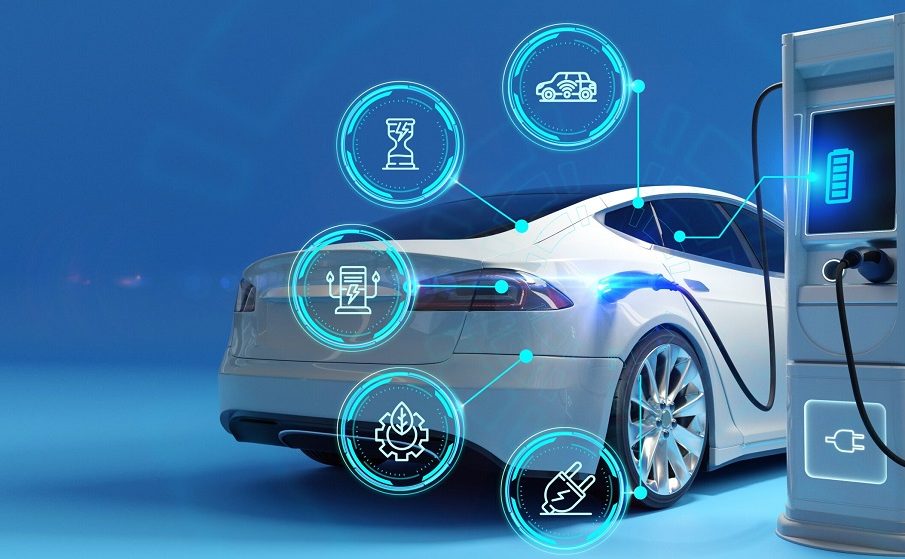
Electric mobility has shifted from an alternative option to a strategic priority across the industry. Manufacturers are investing heavily in electric platforms to meet stricter emission regulations and rising consumer demand.
Key Drivers Behind Electrification
-
Global emission reduction goals
-
Lower operating and maintenance costs
-
Improved driving range and performance
-
Government incentives and infrastructure support
As charging networks expand and battery prices decline, electric vehicles are becoming accessible to a broader audience.
Advanced Batteries Powering the Change
Battery systems are the backbone of modern vehicles. Continuous research is delivering safer, lighter, and more efficient energy storage solutions.
Emerging Battery Innovations
-
Higher energy density for extended range
-
Rapid charging technology reducing wait times
-
Enhanced thermal management for durability
-
Recycling-focused designs supporting sustainability
These advancements are accelerating the shift toward fully electric lineups.
Digital Transformation Inside the Vehicle
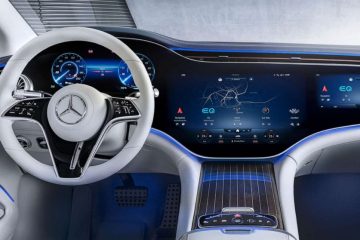
Modern cars are increasingly defined by software. Digital dashboards, intelligent interfaces, and cloud-based services are changing how drivers interact with their vehicles.
Software-Driven Features
-
Predictive maintenance alerts
-
Voice-controlled infotainment systems
-
Seamless smartphone integration
-
Remote vehicle monitoring and updates
This software-first approach allows vehicles to improve over time, extending their value beyond the initial purchase.
Driver Assistance and Road Safety
While full autonomy is still developing, advanced driver assistance technologies are already delivering tangible safety benefits.
Safety Enhancements in Today’s Vehicles
-
Collision detection and automatic braking
-
Lane monitoring and blind-spot alerts
-
Adaptive cruise control for highway driving
These systems reduce human error, which remains the leading cause of road accidents worldwide.
Sustainable Manufacturing and Materials
Environmental responsibility now extends beyond tailpipe emissions. Automakers are redesigning production processes to minimize environmental impact.
Sustainability Initiatives in Manufacturing
-
Increased use of recycled metals and plastics
-
Energy-efficient factories powered by renewables
-
Reduced waste through circular economy practices
This holistic approach ensures sustainability throughout the vehicle lifecycle.
Changing Consumer Expectations
Today’s buyers expect vehicles to align with their digital lifestyles and environmental values. Flexibility, personalization, and long-term affordability are becoming decisive factors.
Consumers now prioritize:
-
Connected features and smart interfaces
-
Eco-friendly technologies
-
Reliable long-term ownership costs
The automotive experience is evolving from ownership to an integrated mobility solution.
Final Thoughts
The automotive industry is entering a new era defined by innovation, intelligence, and responsibility. As vehicles become cleaner, smarter, and more connected, they will play a central role in shaping sustainable transportation systems for the future. The journey ahead is not just about advancing technology—it is about creating a smarter way to move.
Frequently Asked Questions (FAQs)
1. How does vehicle software improve long-term ownership?
Software updates can enhance performance, add features, and fix issues without requiring physical upgrades.
2. Are electric vehicles suitable for cold or hot climates?
Yes, modern EVs are designed with thermal management systems to operate efficiently in extreme temperatures.
3. What role does connectivity play in modern cars?
Connectivity enables navigation updates, safety alerts, remote diagnostics, and personalized user experiences.
4. Is sustainable manufacturing more expensive for automakers?
Initial costs may be higher, but efficiency gains and regulatory benefits often offset long-term expenses.
5. How soon will fully autonomous cars become common?
Widespread adoption may take time due to safety testing, regulations, and infrastructure readiness.
6. Do electric vehicles require special maintenance skills?
EV maintenance is generally simpler, but technicians require training specific to high-voltage systems.
7. How are automakers addressing battery recycling?
Many manufacturers are investing in recycling programs to recover valuable materials and reduce waste.