How Market Conditions Influence the Decision to Buy Gold and Silver
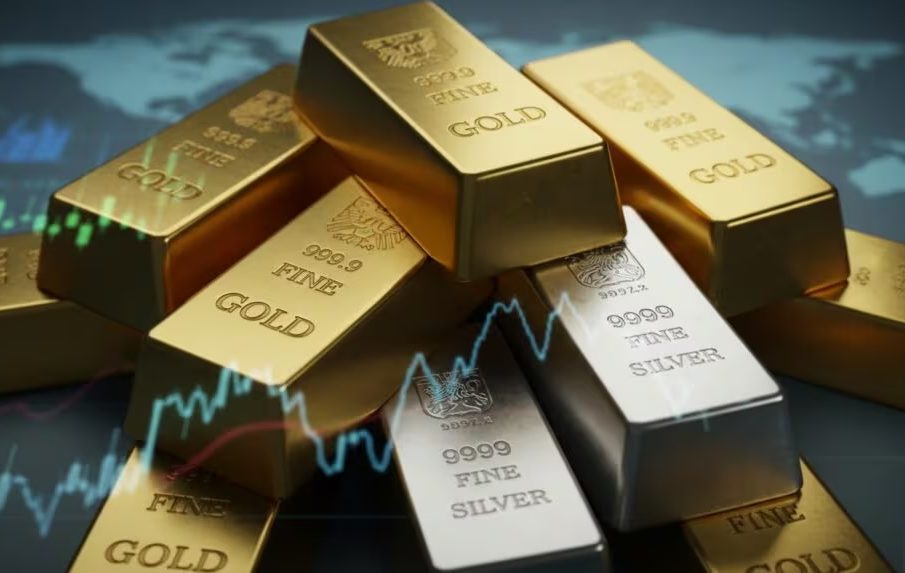
For centuries, precious metals have played an important role in preserving wealth and diversifying investment portfolios. While investors have many options available today, the decision to buy gold and silver is often influenced by broader economic conditions rather than short-term price movements alone. Inflation, interest rates, currency strength, geopolitical uncertainty and stock market performance can all affect investor behaviour and, ultimately, the demand for precious metals. Understanding these market influences can help investors make more informed decisions while avoiding emotional reactions to temporary market fluctuations.
Gold and silver have long been viewed as tangible assets that exist independently of financial institutions or corporate performance. Unlike shares or bonds, physical precious metals do not represent ownership in a company or a promise to repay debt. This characteristic has contributed to their reputation as assets that may provide stability during periods of economic uncertainty.
However, this does not mean their prices move independently of wider financial markets. In reality, precious metal prices respond continuously to changing economic conditions, investor sentiment and global events.
One of the strongest influences on demand is inflation. When the purchasing power of money begins to decline because prices are rising, many investors look for assets that they believe may better preserve value over time.
Gold has historically been viewed by many as a potential hedge against inflation, particularly during prolonged periods of rising consumer prices. Silver often attracts similar attention, although its price can also be influenced by industrial demand because it is widely used in manufacturing, electronics and renewable energy technologies.
Although precious metals do not guarantee protection against inflation, expectations about future price increases frequently influence investor demand.
Interest rates also play a significant role.
When interest rates rise, savings accounts, government bonds and other interest-bearing investments often become more attractive because they generate higher income. Since physical gold and silver do not produce dividends or interest, higher rates may reduce their relative appeal for some investors.
Conversely, lower interest rates can encourage greater interest in precious metals because the opportunity cost of holding non-income-producing assets becomes smaller.
Central bank policies therefore receive considerable attention from investors who follow precious metal markets.
Currency movements represent another important influence.
Gold and silver are commonly priced internationally in US dollars. As a result, changes in the value of the dollar often affect precious metal prices. A weaker dollar can make gold and silver less expensive for buyers using other currencies, potentially increasing global demand. A stronger dollar may have the opposite effect.
For investors purchasing precious metals in their own domestic currency, exchange rate fluctuations may therefore influence both buying costs and future investment returns.
Geopolitical uncertainty frequently affects investor behaviour as well.
Periods of international tension, armed conflict, political instability or major financial disruptions often increase demand for assets perceived as stores of value. During uncertain times, some investors seek to reduce exposure to more volatile investments by increasing allocations to precious metals.
This behaviour reflects investor sentiment rather than any guarantee that gold or silver will outperform other assets during every crisis. Nevertheless, global events remain an important factor influencing market demand.
Stock market performance can also shape investment decisions.
During periods of strong equity market growth, investors may focus primarily on shares and other growth-oriented assets. When stock markets experience significant volatility or prolonged declines, some investors choose to diversify by adding precious metals to their portfolios.
Diversification remains one of the most commonly cited reasons for investing in gold and silver.
Rather than attempting to predict short-term price movements, many investors use precious metals to spread investment risk across different asset classes. Because different investments often respond differently to changing market conditions, diversification may help reduce overall portfolio volatility.
Industrial demand creates another distinction between gold and silver.
Gold is used primarily for investment, jewellery and central bank reserves. Silver, while also popular as an investment metal, has extensive industrial applications.
It is widely used in electronics, medical equipment, solar panels, automotive manufacturing and numerous other technologies. As industrial production expands or contracts, demand for silver may change accordingly.
This additional source of demand sometimes causes silver prices to behave differently from gold, particularly during periods of economic growth or industrial slowdown.
Supply conditions also influence prices.
Mining output, recycling activity and production costs all contribute to the amount of precious metal entering global markets. Although supply changes generally occur gradually rather than suddenly, disruptions to mining operations or increasing production costs can affect market availability over time.
Demand, however, often changes much more rapidly than supply, making investor sentiment an especially important driver of short-term price movements.
One common mistake made by new investors is attempting to time the market perfectly.
Buying only after prices have already risen sharply or selling during temporary declines often results from emotional decision-making rather than carefully considered investment strategies.
Many experienced investors instead focus on long-term objectives, gradually building positions over time rather than attempting to predict every market movement.
Regular purchasing strategies may help reduce the impact of short-term price volatility by spreading purchases across different market conditions.
Another important consideration is investment purpose.
Some people buy gold and silver primarily as long-term stores of value. Others view them as portfolio diversifiers or as assets that may perform differently from shares and bonds during certain economic conditions.
Clearly defining investment objectives before purchasing precious metals helps guide appropriate decisions while reducing the temptation to react emotionally to daily price fluctuations.
Storage and security should also be considered.
Physical gold and silver require secure storage, whether at home, in bank deposit facilities or through professional vaulting services. Storage costs, insurance and accessibility all influence the overall investment experience and should be evaluated alongside purchase prices.
Investors may also choose alternative methods of gaining exposure to precious metals, including exchange-traded funds, mining company shares or other financial products. Each approach offers different advantages, risks and cost structures depending on individual preferences and investment goals.
No investment is entirely free from risk, and precious metals are no exception. Gold and silver prices can experience substantial fluctuations over both short and long periods. While they may provide diversification benefits within a broader portfolio, they should generally be considered as one component of an overall investment strategy rather than a complete solution on their own.
The decision to buy gold and silver is influenced by a wide range of economic and market factors rather than any single event. Inflation, interest rates, currency movements, geopolitical developments, stock market performance, industrial demand and investor sentiment all contribute to changing market conditions. By understanding how these factors interact, investors are better equipped to make informed, long-term decisions instead of reacting to short-term headlines or market volatility. Thoughtful planning, realistic expectations and a diversified investment approach remain some of the most important foundations for investing successfully in precious metals.