
Industrial Tank Insulation for Oil, Gas, and Petrochemical Tanks
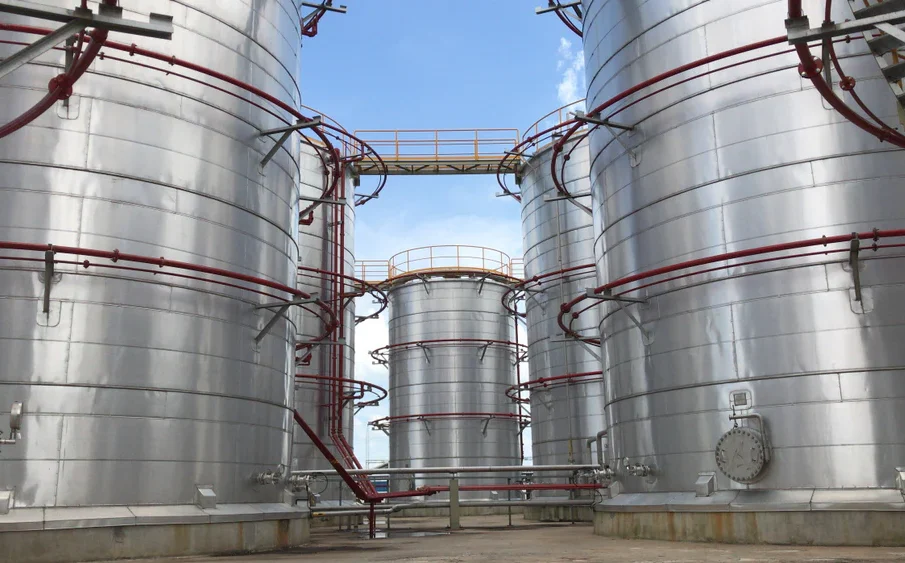
In oil, gas, and petrochemical operations, storage tanks play a critical role in maintaining product quality, process stability, and operational safety. These tanks often hold materials that must remain within specific temperature ranges to ensure proper handling, storage, and transfer. As a result, industrial tank insulation is a key component of tank system design and long-term asset protection in these industries.
Why Industrial Tank Insulation Is Essential in Energy and Petrochemical Facilities
Oil, gas, and petrochemical tanks are exposed to a wide range of environmental and operational conditions. Temperature fluctuations, wind, moisture, and solar exposure can all affect the contents of a tank. Industrial tank insulation helps regulate internal temperatures by minimizing heat gain or heat loss, depending on the application. This temperature control is essential for maintaining product viscosity, preventing solidification, and supporting consistent downstream processing.
In many petrochemical applications, even small temperature changes can impact product performance or safety. Proper industrial tank insulation reduces thermal variability and helps operators maintain predictable process conditions.
Common Applications of Industrial Tank Insulation
Industrial tank insulation is widely used across upstream, midstream, and downstream operations. In oil and gas facilities, tanks may store crude oil, refined fuels, or chemical intermediates that require temperature stability. In petrochemical plants, tanks often contain resins, polymers, solvents, or specialty chemicals that are sensitive to heat or cold.
Insulation systems may be paired with heat tracing or cooling systems to further control internal temperatures. In these cases, industrial tank insulation improves the efficiency of those systems by reducing energy losses and maintaining consistent performance.
Protection Against Condensation and Corrosion
Another important function of industrial tank insulation is condensation control. When tank surfaces fall below the dew point, moisture can accumulate on exterior surfaces, increasing the risk of corrosion under insulation (CUI). Over time, CUI can weaken tank walls and compromise structural integrity.
Proper insulation design, material selection, and vapor barriers help minimize condensation and protect tanks from corrosion-related damage. This is especially important in coastal regions, humid climates, and facilities that handle temperature-sensitive materials.
Safety and Regulatory Considerations
Industrial tank insulation also contributes to workplace safety and regulatory compliance. Insulated tanks reduce surface temperatures, lowering the risk of burns or heat-related injuries for personnel working nearby. In addition, insulation systems can help facilities meet energy efficiency, environmental, and occupational safety requirements set by industry standards and regulatory agencies.
Fire-resistant insulation materials may be required in certain oil and gas or petrochemical applications to enhance overall facility safety.
Long-Term Operational and Cost Benefits
While industrial tank insulation represents an upfront investment, it offers long-term value through energy savings, reduced maintenance needs, and extended equipment life. By stabilizing temperatures and protecting tank surfaces, insulation systems help reduce stress on tank materials and associated equipment.
Over time, well-designed industrial tank insulation can lower operating costs, improve reliability, and support more efficient plant operations.
Conclusion
For oil, gas, and petrochemical facilities, industrial tank insulation is not simply an accessory—it is a critical system that supports safety, efficiency, and asset longevity. By controlling temperature, preventing condensation, and protecting tank structures, industrial tank insulation helps ensure that storage systems perform reliably in demanding industrial environments.
Understanding the role and benefits of industrial tank insulation allows facility managers and engineers to make informed decisions that support both operational performance and long-term sustainability.